Viral Lies: How Social Media is Distorting the Epstein Releases
Fake flight logs, AI generated mugshots, and doctored court transcripts. How the quest for truth is being hijacked by engagement farmers.
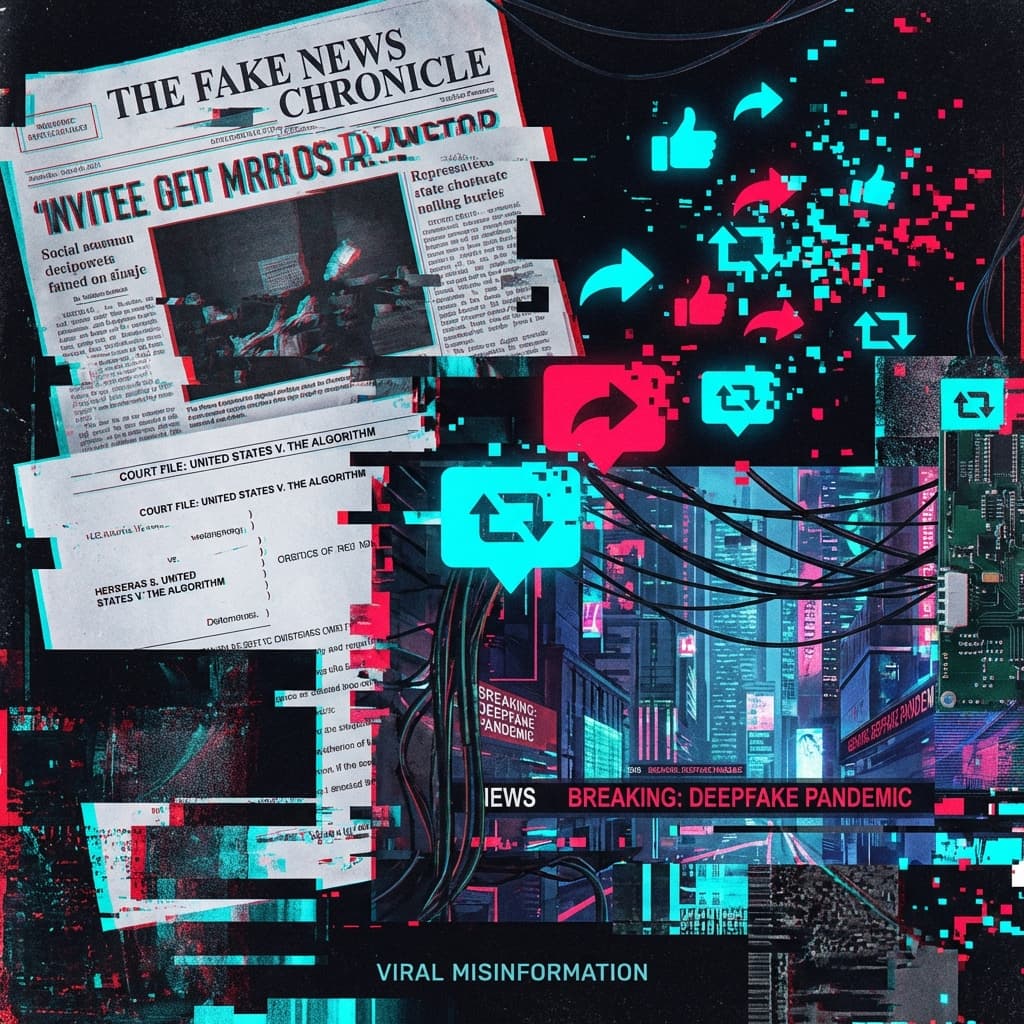
In the age of algorithmic feeds, the Epstein Files have become a commodity. Unfortunately, misinformation travels faster than the truth. A study of Twitter (now X) and TikTok trends during the recent document release shows that fabricated screenshots and conspiracy theories outpaced genuine reporting by a staggering margin. This phenomenon distorts public perception and hampers the pursuit of actual justice.
Content creators, driven by the need for engagement and monetization, often prioritize sensationalism over accuracy. "Engagement farming" has become a lucrative business model. A shocking (and false) headline generates clicks, shares, and comments, signaling to the algorithm that the content is valuable. This creates a feedback loop where misinformation is rewarded, and factual analysis is buried.
The Jimmy Kimmel Hoax: A Case Study
A prime example of this distortion is the viral image purporting to show late-night host Jimmy Kimmel on an Epstein flight log. The image was a complete fabrication, a clear fake to anyone with experience reviewing these documents. Yet, it circulated millions of times, fueled by political animus and the desire for scandal. Kimmel threatened legal action, but the damage was done. For millions of users, the fake image became their truth.
This incident highlights the danger of uncritically accepting information on social media. It demonstrates how easily reputations can be smeared and how difficult it is to correct the record once a lie has taken root. The "correction" rarely gets the same viral traction as the original sensationalist lie.
The AI Disinformation Wave
We are also witnessing the first major wave of AI-generated disinformation related to a high-profile legal case. Deepfake audio clips and AI-generated "mugshots" have appeared, further muddying the waters. As generative AI becomes more accessible and sophisticated, distinguishing between real evidence and fabrication will become increasingly difficult.
This poses a serious threat to our information ecosystem and the legal system itself. If the public cannot trust the evidence they see and hear, how can justice be served? We need better tools for detection and verification, but more importantly, we need a more media-literate public.
Create Authentic Content that Wins
Don't rely on cheap tricks or fake engagement. In the long run, truth always wins. Salt in Social helps you create legitimate, high-quality, viral-ready content for LinkedIn and other platforms. Our AI tools optimize for genuine engagement and long-term brand building, not just fleeting clicks. We help you build a community of real people who trust your brand. Build an authentic viral strategy.
Verify Before You Share
We urge our readers to verify documents through official court record repositories or reputable news organizations that link directly to the source PDFs. "Screenshot culture"—the practice of sharing cropped images of text without context or linkage—is the enemy of nuance. In a world of noise, being a source of trusted signal is more valuable than ever.
Before you hit share, ask yourself: Where did this come from? Is it from a reliable source? Does it look edited? If something seems too good (or too bad) to be true, it probably is. We all have a responsibility to be careful with the information we amplify. The Epstein case involves real victims and real crimes; it should not be reduced to entertainment or political fodder. By fighting misinformation, we honor the victims and help ensure that the truth prevails.